$85,00
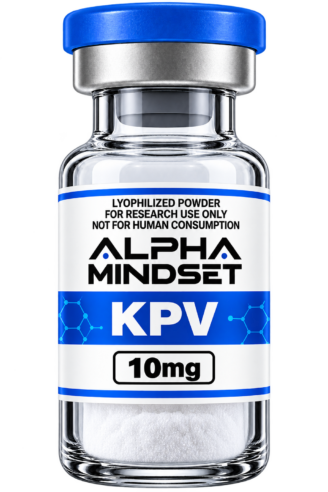
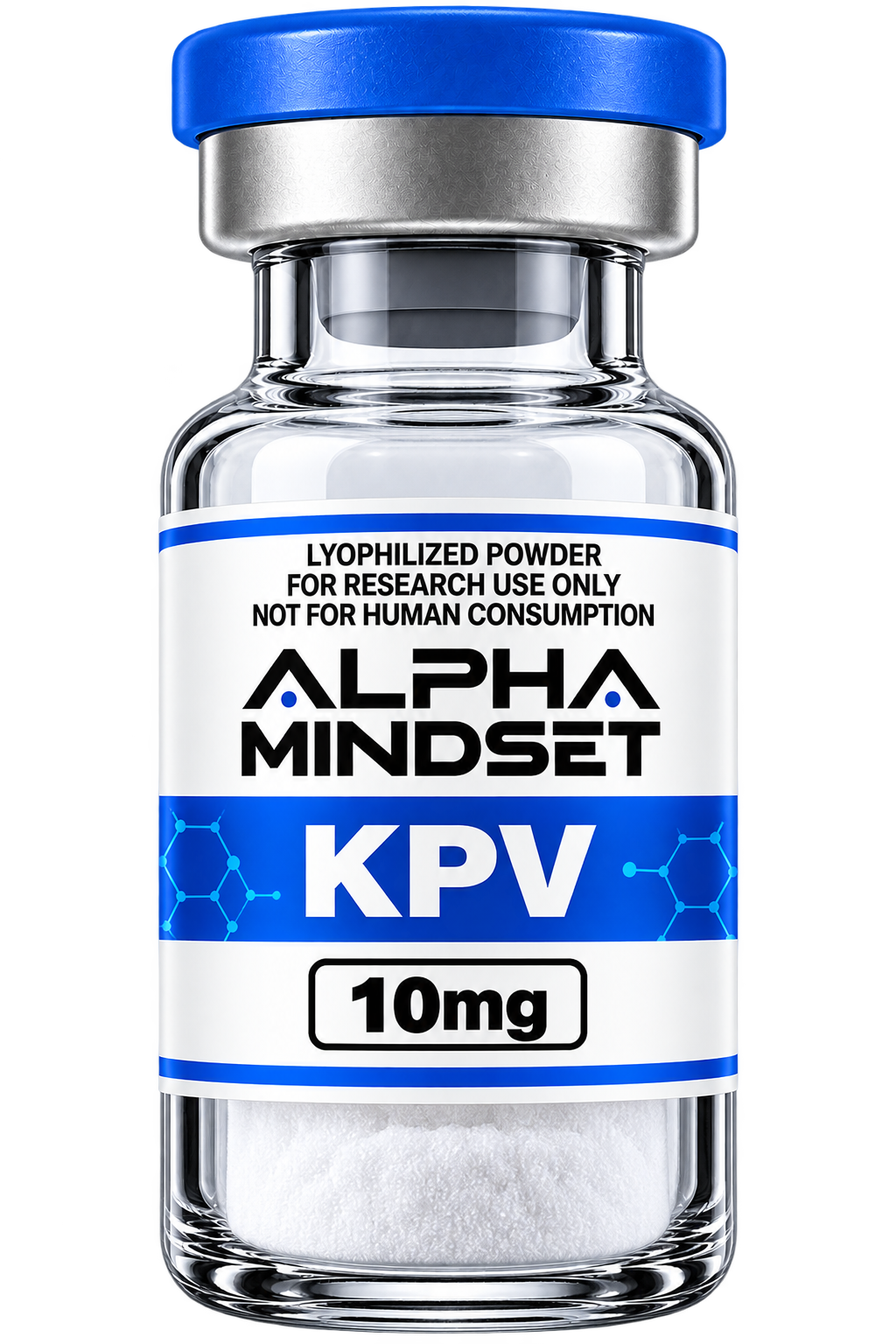
KPV (Lysine–Proline–Valine) is a naturally occurring tripeptide corresponding to the C-terminal sequence of alpha-melanocyte-stimulating hormone (α-MSH). It has attracted research interest primarily for its potential involvement in inflammatory signalling, intestinal inflammation, immune responses and epithelial tissue protection.
Unlike many larger research peptides, KPV consists of only three amino acids:
Lysine – Proline – Valine (Lys-Pro-Val)
Inflammation Research
KPV is particularly well known for its anti-inflammatory activity in experimental models. Cell studies have shown inhibition of NF-κB and MAP kinase signalling, accompanied by reductions in pro-inflammatory cytokine secretion.
Gut & Intestinal Research
One of the most extensively investigated areas for KPV is intestinal inflammation. Experimental studies have evaluated KPV in DSS- and TNBS-induced models of colitis, where researchers observed reductions in inflammatory markers and tissue inflammation.
PepT1 Transport Pathway
KPV can be transported into intestinal epithelial and immune cells through the PepT1 peptide transporter. PepT1 expression can increase in the colon during intestinal inflammation, making this pathway particularly interesting for targeted gastrointestinal research.
NF-κB Signalling
NF-κB is an important regulator of inflammatory gene expression. Laboratory research has demonstrated that KPV can suppress activation of NF-κB and subsequently reduce secretion of inflammatory mediators.
Mucosal & Intestinal Barrier Research
KPV has also been incorporated into experimental nanoparticle and hydrogel delivery systems designed to target inflamed intestinal tissue. In mouse models, KPV-containing formulations have been investigated for their effects on mucosal healing and inflammatory responses.
Skin & Keratinocyte Research
KPV research is not limited to the gastrointestinal tract. Recent laboratory research using human keratinocytes found that KPV influenced oxidative stress, inflammatory signalling and cellular responses to particulate-matter exposure, including effects involving MAPK and NF-κB pathways.

KPV = Lysine – Proline – Valine
It is a fragment derived from α-MSH (alpha-melanocyte-stimulating hormone), a hormone involved in immune regulation and inflammation control.
KPV suppresses inflammatory signaling pathways such as:
NF-κB inhibition
TNF-α reduction
IL-6 and IL-1β suppression
This can reduce systemic and localized inflammation.
One of the most studied uses.
Research suggests KPV may help with:
Inflammatory bowel disease (IBD)
Ulcerative colitis
Crohn’s disease
Leaky gut
Intestinal inflammation
It helps restore intestinal barrier function.
KPV shows strong effects in dermatology research:
Psoriasis
Dermatitis
Rosacea
Eczema
Wound healing
Topical formulations are sometimes studied for these uses.
KPV may inhibit certain pathogens without damaging beneficial bacteria.
Research suggests activity against:
Staphylococcus
Candida
Other inflammatory microbes.
KPV works through immune modulation, not immune suppression.
Key mechanisms:
Blocks NF-κB inflammatory cascade
Reduces cytokine release
Improves epithelial barrier repair
Modulates macrophage activation
This allows inflammation to resolve while healing occurs.
Research Use Only: Not for human or veterinary use.

99% PURITY

FAST DELIVERY

SSL ENCRYPTED

NOT FOR HUMAN USE

Research pathways for tissue repair

Supports training and output

Lab tested a 99% purity

For laboratory research only
Tracking Number
100% private delivery
SSL encrypted
We stand by our products